Перейти к основному содержимому

Spreading ButterBox Communication Widely with DeltaChat!

· 7 мин. чтения
Nathan
Director, Guardian Project

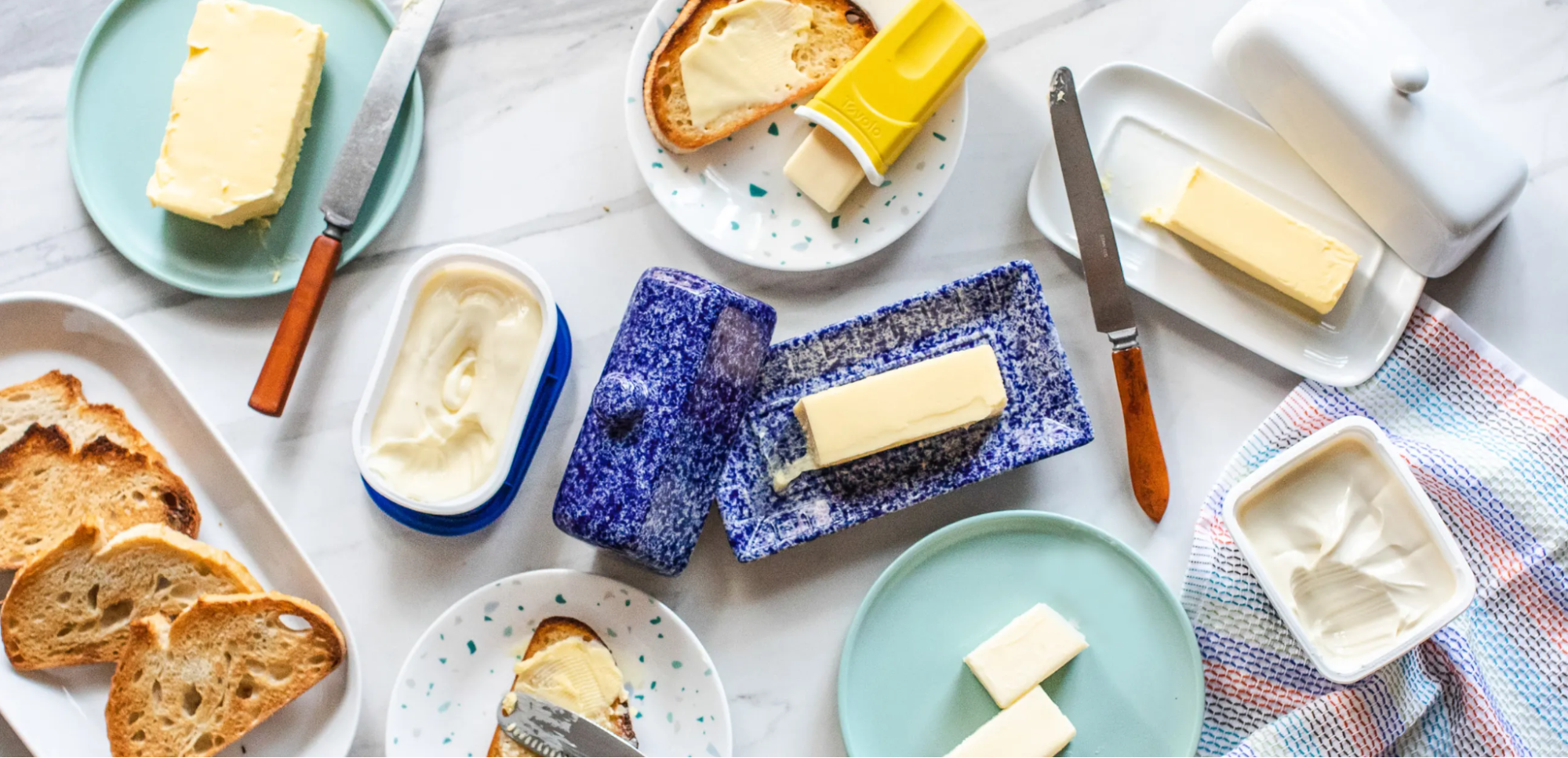
With our recent updates on ButterBox, we have implemented a huge step forward in both options for customization and inter-communication. Through our new setup wizard and admin panel, we allow anyone hosting a ButterBox to completely control and configure the available services. This includes changing the public wifi and hostname of the box, both visibly and over the local network. The important side effect of this is that we can now have multiple butterbox instances co-existing on a local area network.

image7.png Credit: Sarah Crowley

Instead of just "butterbox.local" by itself, you can add additional boxes, perhaps whimsically named "breadbox.local", and "jambox.local"... you can really SPREAD out! Food puns aside, the ability to have multiple box instances connecting and communicating on a wide-range local area network (WiFi HaLow anyone?!) means there are more, new ways people can use ButterBoxes in the real world.

Butter Box Is Heading Back to Chiapas

· 2 мин. чтения
Fabby
Fabby
Community Lead

image1.jpg

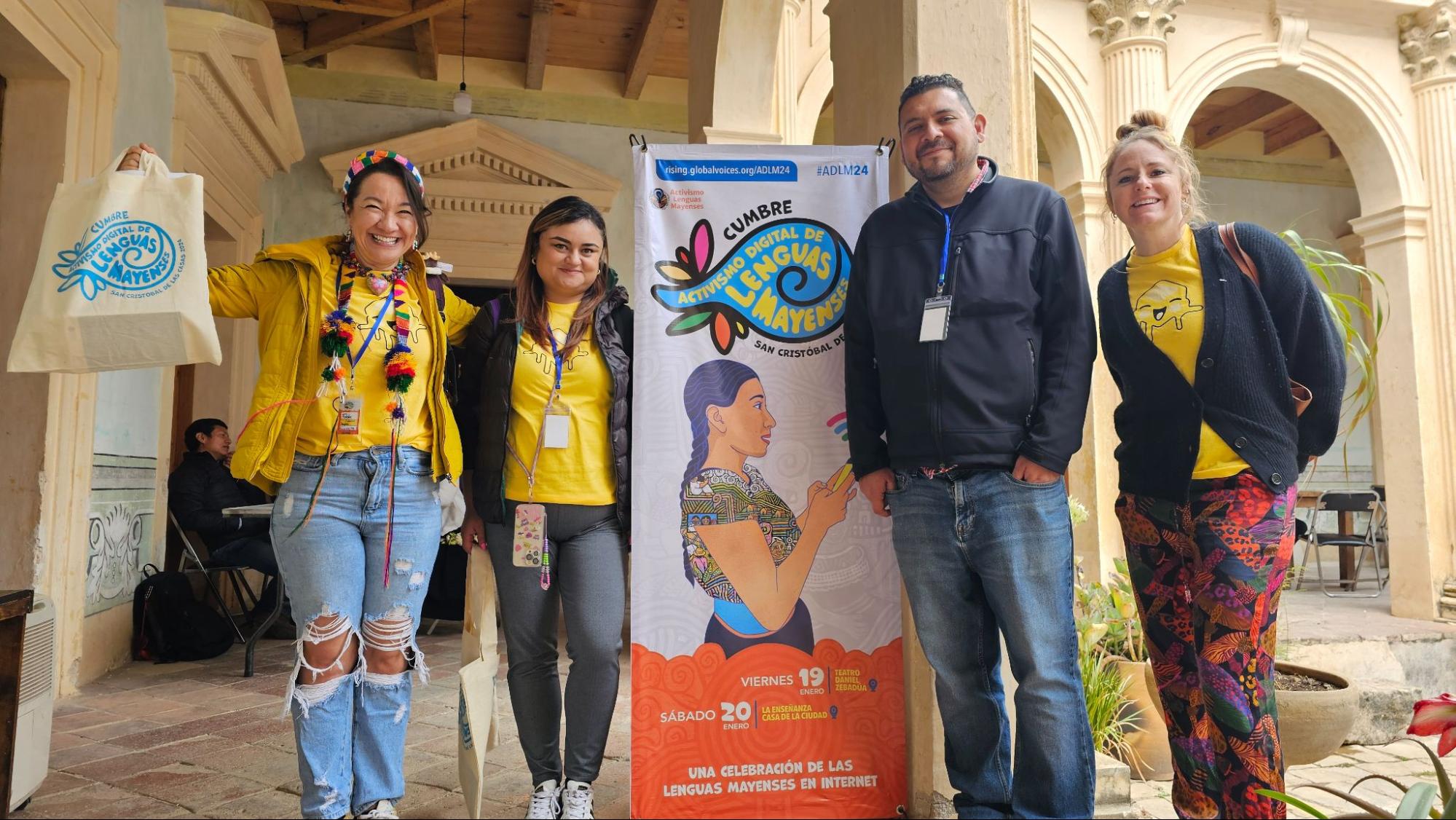
Butter Box is officially returning to the Digital Mayan Languages Fair 2026 in Chiapas, Mexico, one of the most exciting digital inclusion events for indigenous communities in Latin America, organized by Global Voices. This year we are partnering with The Engine Room, made possible through the support of the OTF User Experience and Discovery Lab, which will allow us to run deeper research and hands-on deployments, making this our most impactful visit yet. Having participated twice before, we know firsthand how extraordinary the Mayan community is, resilient, resourceful, and fighting to build a digital future on their own terms.

Spring 2026 Update!

· 2 мин. чтения
Tiff
Tiff
Project Coordinator
Nathan
Director, Guardian Project
Fabby
Fabby
Community Lead

We recently completed a four month intensive development sprint, supported by the Open Technology Fund, focused on improving support for the Eastern European context in ButterBox. Our previous community building and adoption efforts for ButterBox have focused on Latin America and Southern Africa. This latest round of work helped us expand our understanding, threat and risk modeling, and feature set to better support people and communities facing internet shutdowns and lack of connectivity in the Eastern European region. Through our collaboration with regional partners, we successfully tuned the solution to better meet their needs, while collaborating to produce new localized documentation and content packs.

Overall key achievements included:

  • User Interface & Localization: A new portal UI was implemented for easier customization, better privacy control, and documentation, and content packs were localized for the regional context.
  • Network & Connectivity: Support for multiple boxes on shared networks with automatic DNS resolution was added, alongside successful integration of encrypted delay-tolerant messaging services (DeltaChat+MadMail).
  • System Stability: A new Debian foundation improved stability for simultaneous users and an updated database option improved the message board scalability and performance.
  • Maintenance & Security: New methods for offline updates and administrative management were established, and a comprehensive tamper resistance guide was developed to protect the ecosystem.
  • Research & Collaboration: Testing confirmed the viability of long-range wireless networks, while local partners provided ongoing feedback and testing support.

In summary, this rapid four-month sprint supported a major step forward for the capabilities, security, and relevance of the ButterBox project for the Eastern European context and threat model.

Read the full report

Butter Box Portal Improvements

· 1 мин. чтения
Ana
Ana
Lead Developer

As part of our latest development project with the Guardian Project team, we have re-engineered the Butter Box portal interface. This post describes the design choices and improvements within the new portal.

Previously, the interface was a static site built with Jekyll, which offered no customisation options and was ill-suited for the portal’s dynamic requirements. It has now been replaced with a Python Flask application, a lightweight framework that allows developers to include only the necessary libraries, such as for localisation, minimising the application’s footprint.

Read the full post on the SR2 blog